Obesity is a complex, chronic medical condition driven by genetic, metabolic, behavioral, and environmental factors — not simply a lack of willpower. It significantly increases the risk of type 2 diabetes, heart disease, sleep apnea, and many cancers. Effective treatments include structured lifestyle programs, GLP-1 medications, and bariatric surgery.
Obesity is a chronic, complex disease — not a character flaw or lifestyle choice — characterized by excess adipose tissue that impairs health. It affects more than 42% of American adults and is a leading driver of Type 2 diabetes, cardiovascular disease, hypertension, sleep apnea, fatty liver disease, and certain cancers. Modern endocrinology treats obesity as a medical condition with biological causes and effective treatments.
Understanding Obesity as a Disease
Obesity results from a complex interplay of genetics (40–70% heritability), hormones, brain regulation of appetite and energy expenditure, gut microbiome, sleep, medications, mental health, and environment. The body's weight regulatory system strongly defends against weight loss — this is why sustained weight loss is so difficult and why medical intervention is often necessary.
Key hormones involved in weight regulation include leptin (satiety hormone), ghrelin (hunger hormone), GLP-1 (appetite suppression after eating), insulin, and cortisol.
Health Complications of Obesity
- Type 2 diabetes and pre-diabetes
- Cardiovascular disease and hypertension
- Obstructive sleep apnea
- Non-alcoholic fatty liver disease (MAFLD/MASH)
- Gastroesophageal reflux disease (GERD)
- Osteoarthritis
- Polycystic ovary syndrome (PCOS)
- Depression and anxiety
- Increased risk of certain cancers (endometrial, breast, colon, and others)
Assessment of Obesity
BMI (Body Mass Index) is the primary screening tool (BMI = weight in kg / height in m²). While imperfect (it doesn't distinguish muscle from fat), it is widely used:
- Underweight: <18.5
- Normal weight: 18.5–24.9
- Overweight: 25–29.9
- Obesity Class I: 30–34.9
- Obesity Class II: 35–39.9
- Obesity Class III (severe): ≥40
Waist circumference is an important complement to BMI — central/abdominal obesity (>40 inches in men, >35 inches in women) is an independent cardiovascular risk factor.
How Is Obesity Treated?
A comprehensive approach addresses all aspects of obesity management:
- Lifestyle intervention: Structured dietary changes (caloric deficit), increased physical activity, and behavioral therapy. Typically achieves 5–10% weight loss with sustained effort.
- Pharmacotherapy: Several FDA-approved medications are available:
- Semaglutide 2.4 mg (Wegovy): GLP-1 agonist; achieves ~15% average weight loss; approved for chronic weight management
- Tirzepatide (Zepbound): Dual GLP-1/GIP agonist; achieves ~20% average weight loss — the most effective medication currently available
- Naltrexone/bupropion (Contrave): ~5–8% weight loss
- Phentermine/topiramate ER (Qsymia): ~8–10% weight loss
- Bariatric surgery: Roux-en-Y gastric bypass and sleeve gastrectomy achieve 25–35% weight loss with significant metabolic benefits; recommended for BMI ≥40 or ≥35 with serious comorbidities
🔬 New Era of Obesity Treatment: GLP-1 and GIP receptor agonists represent a paradigm shift in obesity medicine. Tirzepatide (Zepbound) achieves average weight loss approaching that of bariatric surgery. These medications also improve blood sugar, blood pressure, cholesterol, sleep apnea, and fatty liver disease.
Key Takeaways
- Obesity is a complex biological disease with strong genetic and hormonal components
- The body strongly defends against weight loss — medical intervention is often necessary for success
- GLP-1 agonists (Wegovy, Zepbound) represent a major breakthrough in obesity treatment
- Endocrinologists treat obesity alongside its metabolic consequences (diabetes, PCOS, fatty liver)
- Even modest weight loss (5–10%) provides significant health benefits
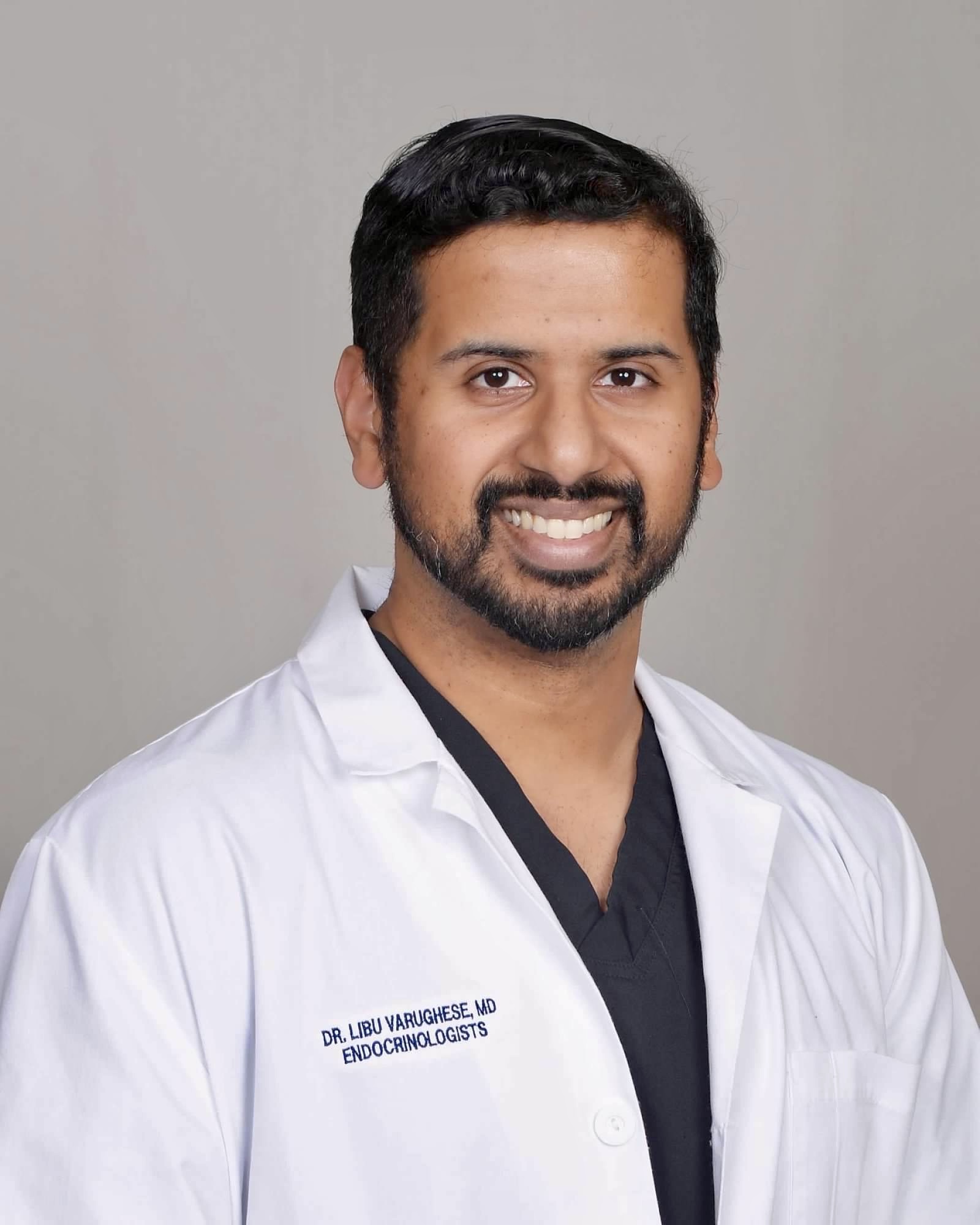
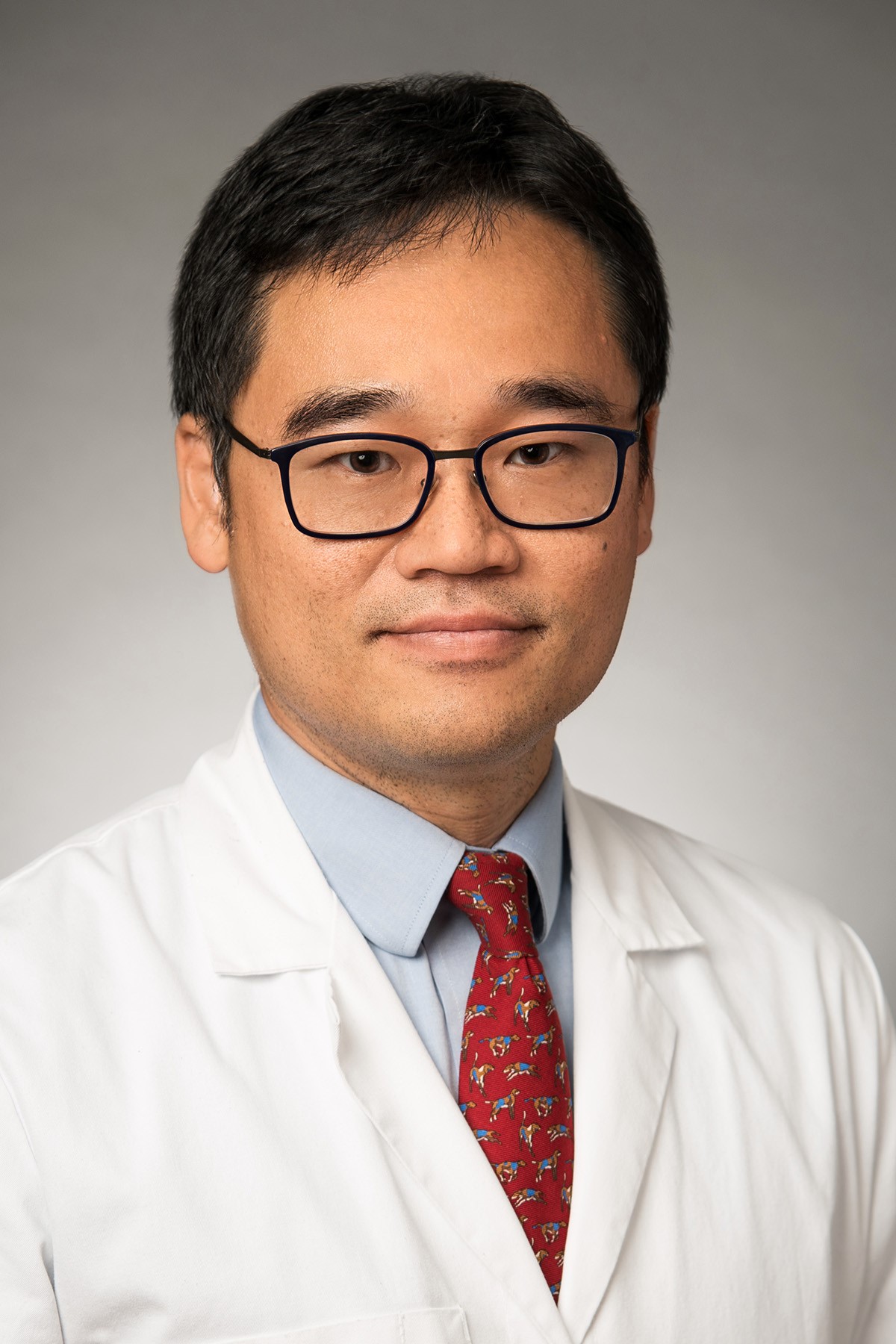
Our Team Prescribes GLP-1 Medications
Our providers are experienced with GLP-1 therapy for weight loss and diabetes. Book with any member of our team:



Book an Appointment → or call 832-968-7003