Type 1 diabetes is an autoimmune condition in which the immune system destroys the insulin-producing beta cells of the pancreas, making the body completely dependent on insulin injections or an insulin pump. It is a lifelong condition, but modern technology — including CGMs and automated insulin delivery systems — has transformed management.
Type 1 diabetes (T1D) is a chronic autoimmune disease in which the immune system destroys the insulin-producing beta cells of the pancreas. Without insulin, cells cannot take up glucose for energy, leading to dangerously high blood sugar levels. People with T1D require lifelong insulin therapy to survive.
What Causes Type 1 Diabetes?
T1D results from an autoimmune attack on pancreatic beta cells, likely triggered by a combination of genetic susceptibility and environmental factors (possibly viral infections). The destruction of beta cells is gradual — by the time symptoms appear, 80–90% of beta cell function has already been lost. T1D is not caused by diet, sugar consumption, or lifestyle factors — this is a common and harmful myth.
Who Gets Type 1 Diabetes?
T1D can develop at any age, but it most commonly presents in childhood, adolescence, and young adulthood (peak onset is in the teens). However, roughly half of new T1D diagnoses now occur in adults. About 1.6 million Americans live with T1D. Relatives of people with T1D have a 5–15 times higher risk than the general population.
Symptoms at Diagnosis
T1D typically presents acutely with:
- Extreme thirst and frequent urination
- Rapid, unexplained weight loss
- Extreme fatigue and weakness
- Blurry vision
- Fruity-smelling breath
- Nausea and abdominal pain
Without treatment, T1D can progress to diabetic ketoacidosis (DKA) — a life-threatening emergency caused by the breakdown of fat into ketones when cells cannot access glucose.
Treatment: Insulin Therapy
People with T1D must take insulin — there is no oral medication that replaces the need for insulin in T1D. Modern treatment approaches include:
- Multiple Daily Injections (MDI): A long-acting basal insulin (once or twice daily) combined with rapid-acting mealtime insulin
- Continuous Subcutaneous Insulin Infusion (CSII / Insulin Pump): A device that delivers continuous basal insulin and mealtime boluses through a subcutaneous catheter
- Closed-Loop / Automated Insulin Delivery (AID): An insulin pump paired with a continuous glucose monitor (CGM) and algorithm that automatically adjusts insulin delivery — often called an "artificial pancreas"
🔬 New Treatment Approval: Teplizumab (Tzield) is the first FDA-approved therapy to delay the onset of T1D in high-risk individuals who have been diagnosed with Stage 2 T1D (positive autoantibodies with abnormal glucose). Screening of relatives of T1D patients is increasingly important.
Continuous Glucose Monitoring (CGM)
CGM technology has revolutionized T1D management. Small sensors worn on the body measure glucose in interstitial fluid every 1–5 minutes and display real-time readings on a smartphone or receiver, with alerts for high and low glucose. Key metrics include Time in Range (TIR) — the percentage of time glucose stays within 70–180 mg/dL — which is the primary target in modern T1D management.
A1C Targets in Type 1 Diabetes
The A1C target for most adults with T1D is below 7%, though targets are individualized based on age, hypoglycemia risk, and patient preference. Emerging evidence supports time-in-range as a more nuanced measure of glycemic control than A1C alone.
Key Takeaways
- T1D is an autoimmune disease — not caused by diet or lifestyle
- Insulin therapy is lifelong and essential — no insulin means no survival
- Modern tools including CGM and insulin pumps dramatically improve quality of life and outcomes
- Closed-loop insulin delivery ("artificial pancreas") represents a major advance
- An endocrinologist should manage T1D to optimize technology use and minimize complications
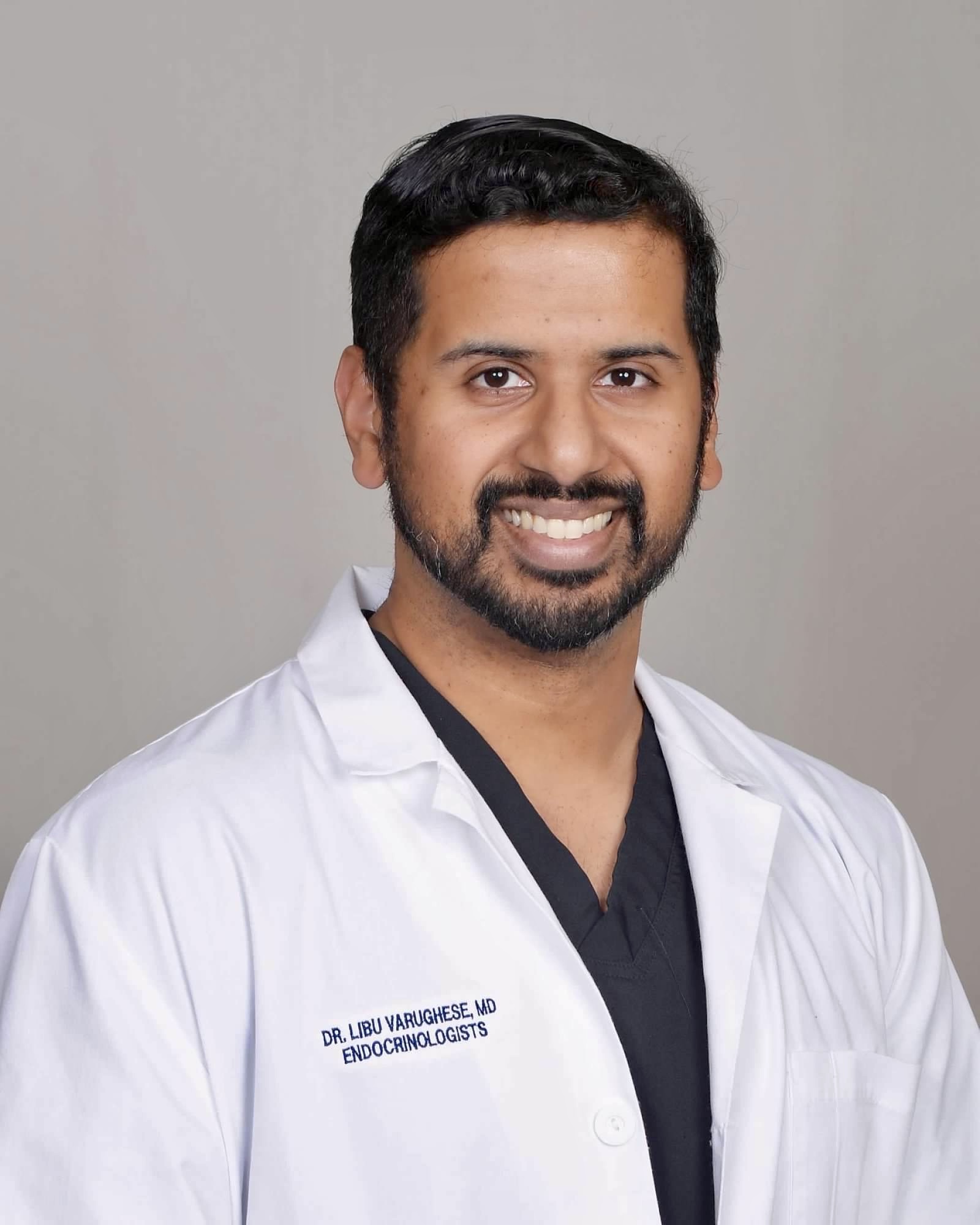
Our Team Manages Diabetes
All five of our providers manage diabetes and metabolic conditions. Book with any member of our team:




Book an Appointment → or call 832-968-7003