Hirsutism: Excess Hair Growth in Women
Hirsutism is excessive male-pattern hair growth in women — typically on the face, chest, abdomen, and back — caused by excess androgen hormones or increased hair follicle sensitivity to androgens. The most common cause is PCOS, though adrenal and ovarian disorders and certain medications can also cause it.
Why women develop unwanted hair in male-pattern areas, the hormones behind it, and what treatments actually work.
What Is Hirsutism?
Hirsutism is the growth of coarse, dark "terminal" hair on a woman's body in areas where men typically grow hair — the face (upper lip, chin, sideburns), chest, abdomen, lower back, and upper thighs. It affects approximately 5–10% of women of reproductive age and is most often a signal of excess androgen (male hormone) activity.
What Causes Hirsutism?
Polycystic Ovary Syndrome (PCOS) — Most Common (70–80%)
Elevated LH drives the ovaries to overproduce testosterone and androstenedione. Women with PCOS often also have irregular periods, acne, weight gain, and insulin resistance.
Idiopathic Hirsutism (10–15%)
Androgen levels are normal, but hair follicles are hypersensitive to androgens. More common in women of Mediterranean, Middle Eastern, and South Asian descent. Tends to be familial.
Adrenal Causes
- Non-classic congenital adrenal hyperplasia (CAH) — mild enzyme deficiency causing excess adrenal androgens; often presents in adolescence
- Cushing's syndrome — excess cortisol also elevates androgens
- Adrenal tumors — rare; cause rapidly progressive hirsutism
Ovarian Causes
- Ovarian hyperthecosis — more severe PCOS variant with androgen-producing cell nests
- Androgen-secreting ovarian tumors — rare; rapid onset, severe
Medications That Can Cause Hirsutism
| Medication | Mechanism |
|---|---|
| Anabolic steroids | Direct androgenic effect |
| Danazol (endometriosis) | Androgenic progestogen |
| Valproic acid (seizures) | Elevates androgens; associated with PCOS-like picture |
| Cyclosporine, minoxidil | Hypertrichosis (different mechanism — generalized) |
Hirsutism and PCOS
PCOS-related hirsutism typically develops gradually during adolescence or early adulthood following a male distribution — upper lip, chin, sideburns, and lower abdomen. Associated features often include irregular periods, jawline acne, scalp hair thinning, difficulty losing weight, and acanthosis nigricans (dark skin creases at the neck or armpits).
Treating the underlying insulin resistance and elevated androgens is the most effective long-term strategy.
Diagnosis and Testing
Typical labs your endocrinologist will order:
- Total and free testosterone — elevated in PCOS and androgen-secreting tumors
- DHEAS — elevated levels point to adrenal origin
- Androstenedione, LH, FSH
- 17-hydroxyprogesterone — screens for non-classic CAH
- Fasting insulin and glucose — assesses insulin resistance
- Prolactin, TSH — rule out other hormonal causes
Pelvic ultrasound assesses for PCOS morphology or ovarian tumors. Adrenal imaging if adrenal source suspected.
Medical Treatments
Treatment targets androgen levels, androgen receptor blockade, or both. Allow at least 6 months before assessing response — hair follicle cycles are slow.
- Combined oral contraceptives (OCPs) — first-line for women not seeking pregnancy. Suppress LH-driven ovarian androgen production and raise SHBG. Prefer pills with anti-androgenic progestins (drospirenone, norgestimate).
- Spironolactone (100–200 mg/day) — most widely used anti-androgen in the U.S. Blocks androgen receptors at the follicle and reduces production. Requires reliable contraception.
- Metformin — for PCOS with insulin resistance. Reduces insulin → lowers androgen production. Safer when trying to conceive.
- Finasteride — blocks conversion of testosterone to DHT. Effective but absolutely contraindicated in pregnancy.
- Eflornithine cream (Vaniqa) — prescription topical that slows facial hair regrowth. Does not remove existing hair. Best combined with laser.
- GLP-1 medications (for PCOS + obesity) — improve insulin sensitivity and reduce androgens indirectly; can restore ovulatory cycles.
Hair Removal Options
Medical treatment slows new growth; physical removal addresses existing hair:
- Laser hair removal — most effective long-term for dark hair on lighter skin; 6–8 sessions typically needed
- Electrolysis — permanent; works on all skin/hair types but time-intensive
- Waxing, threading, shaving — temporary; safe alongside medical treatment
Our endocrinologists evaluate the hormonal causes of hirsutism and create personalized treatment plans that address the underlying imbalance. Book an Appointment
Our Team Treats Hormonal Conditions
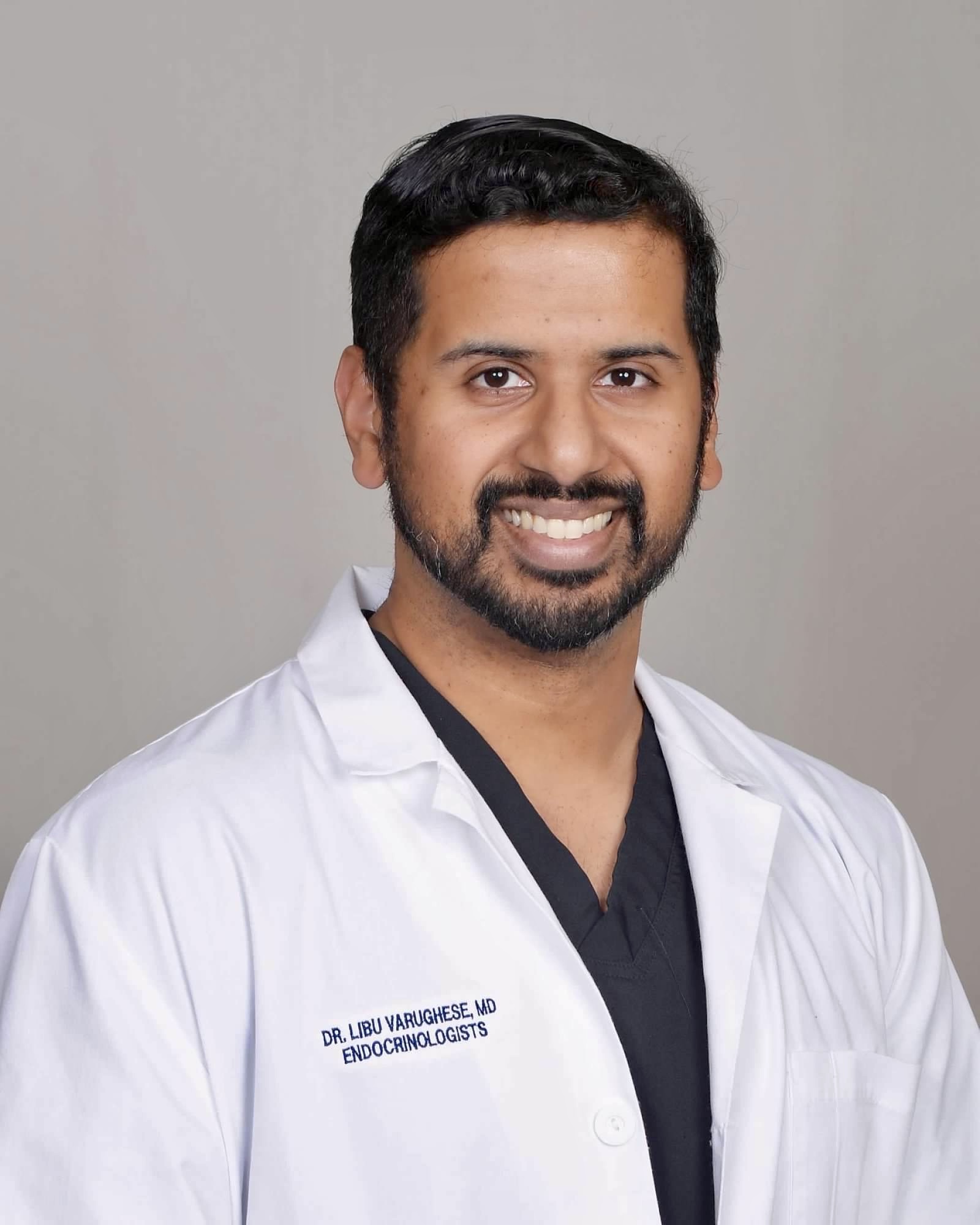
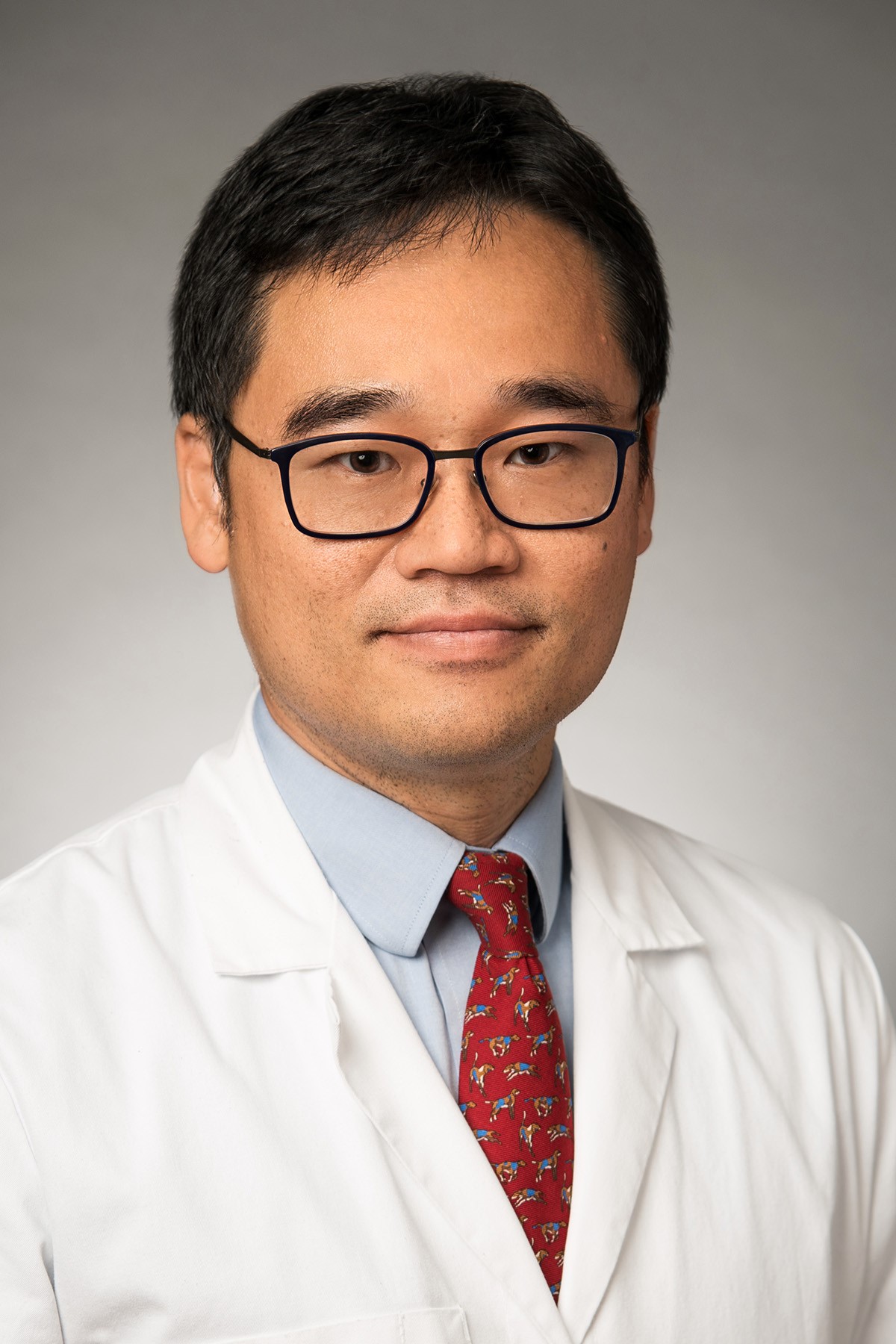
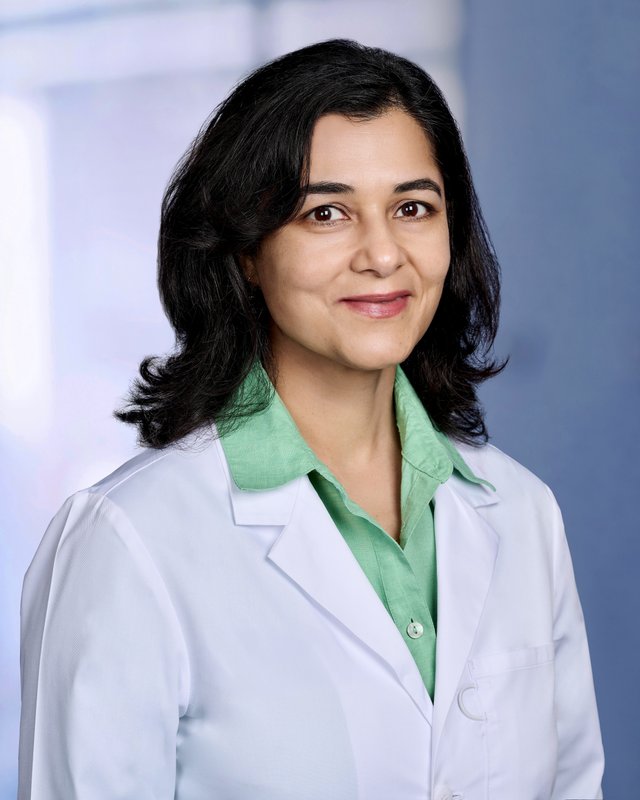
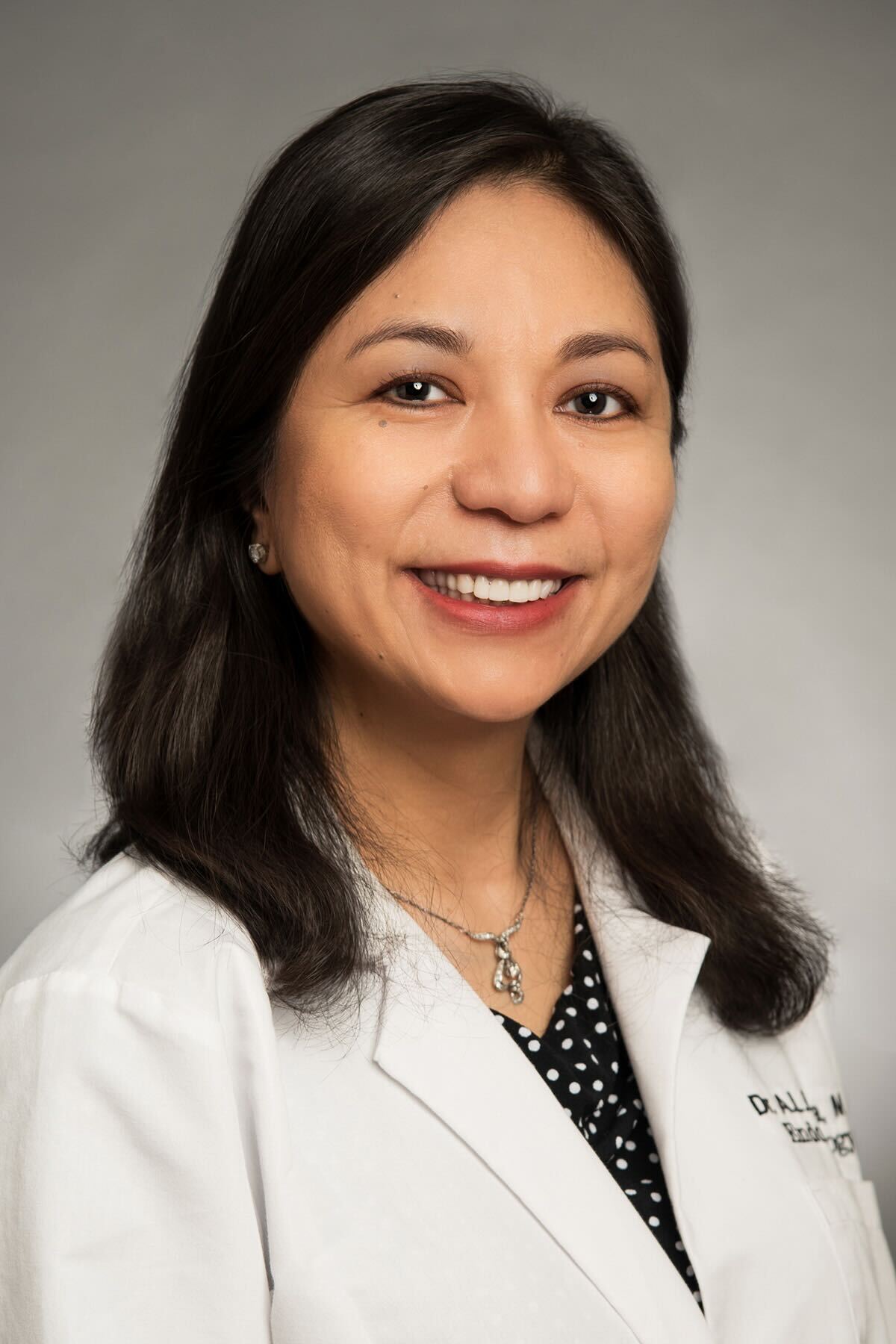
All five of our providers manage hormonal and reproductive endocrine conditions. Book with any member of our team:

Book an Appointment → or call 832-968-7003